Proper Uses of Pharmaceutical Products in the
Sheep Industry
J. L Goelz, D.V.M.
Pipestone Veterinary Clinic
Pipestone Lambing Time Short Course
Pharmaceutical Products play a large role in preserving the health of individual sheep and the flock as a whole. However all pharmaceutical products should be used in responsible manner.
Extra-Label Drug Use- Due to the few numbers of antibiotics approved for use in sheep the FDA allows Extra-label Drug Use by veterinarians. If there are no approved products for a specific disease condition, or if approved products are deemed ineffective by the veterinarian, he or she can prescribe a non-approved drug or an approved drug at a higher dose in effort to treat the disease. The veterinarian must have established a Veterinarian-Client-Patient relationship, be available for follow-up consultation, and must calculate a reasonable withdrawal time to ensure that residue contaminated meat does not enter the food chain. Extra Label Drug Use occurs any time that a non-approved product is used or an approved product is used in a way that differs from the package insert (dose, frequency, route) or used for a condition not specified on the label. Extra Label Drug Use does not apply to feed additives. We strongly recommend that you develop a relationship with your local veterinarian in effort to use pharmaceutical products when required yet not compromise the safety of your product. Extra Label Drug Use does not apply to feed additives.
The following is a comprehensive list of many pharmaceutical products used in the sheep industry. Indications, warnings, and other pertinent information is listed after each item. All injectable products should be administered Subcutaneously (S.Q.) unless otherwise indicated.
*Extra-Label Drug Use, + Prescription Drug. All others are approved and over the counter.
Penicillins Broad-spectrum antibiotic. Economical, *Dosage 5 cc/100 #. Procaine Short acting (administer every 24 hours), Benzathine long acting (administer every 48 hours. Do not administer IV.
Uses: Umbilical infections, abscesses, and uterine infections
*Ampicillin (Polyflex) Similar to penicillin but broader spectrum.
Uses: Treatment of choice for Salmonella.
*Tetracycline (Injectable - LA200, Oxybiotic, Biomycin,) Feed grade CTC, Aureomycin Broad spectrum, effective against Chlamydia, Do not use in breeding rams.
Uses: Chlamydia abortions and pinkeye, boluses prophylatically for uterine infections. Feed grade for prevention of Chlamydia abortions
*Spectinomycin Used commonly for E. coli scours and Pasturella pneumonia,
Uses: E. coli scours, Pneumonia
*Gentamicin Aminoglycoside antibiotic. Very long withdrawal time. Narrow spectrum, Gram negative, Use only orally as little is absorbed by GI tract.
Uses: Orally for E. coli infections
*+Florfenicol (Nuflor) New antibiotic. Effective, expensive. Excellent for pneumonia and bone infections. Irritating to tissue. One treatment per 48 hours. Dose = 1cc/30#
Uses: Pneumonia, orally for E. coli scours.
*+Tilmicosin (Micotil) New antibiotic. Effective, expensive. Excellent for pneumonia. Drug has been shown to be fatal in primates. One treatment per 72 hours. Dose = 1cc/75#
Uses: Pneumonia, Staph mastitis
+Ceftiofur (Naxcel) Expensive, need to re-hydrate bottle and use within a week or freeze and thaw once. Broad spectrum, no withdrawal, Excenel stable non-refrigerated ceftiofur but more tissue reactive.
1cc/50# once a day for 3 days.
Uses: routine infections, heavy feeder lambs.
*Sulfas (Albon, Sulfaquinoxaline, trimethoprim-sulfa) Only class of antibiotics effective against coccidiosis, Broad-specturm.
Uses: coccidiosis outbreaks, water medication. Scours.
Deccoquinate (Decox), Lasolacid (Bovatec), *Monensin (Rumensin) Feed grade compounds to control coccidiosis.
Uses: Coccidiosis, Prevention of Toxoplasma abortions (Rumensin)
Ivermectin Lowest reported resistance, only effective against roundworms, safe for pregnant ewe. Drench approved. Cattle injectable ELDU
Levamasole/Tramisole Cheap, only effective against roundworms, safe for pregnant ewes, injectable is irritating to tissue. Drench Approved. Cattle injectable ELDU.
Albendazole (Valbazen) Economical, do not use in first trimester of pregnancy, effective against roundworms, tapeworms, and mature flukes.
*Fenbendazole (Panacur) Similar to Valbazen.
Baby Lamb Strength Nutritional and Vitamin E supplement for new born lambs.
*+Dexamethasone (Azium) Anti-inflammatory steroid, Will cause abortion in pregnant ewes and transient infertility in rams. Dose = 1cc/100# once.
Uses: Musculo-skeletal injuries. Abortion, Ketosis
*+Flunixin (Banamine) Non-Steriodal Anti-inflammatory agent. Safe for pregnant ewes. Dose = 1cc/100#
*+Oxytocin Hormone used to stimulate milk letdown and stimulate uterine contractions. Administer IM, Dose = 2cc
*+Prostaglandin (Lutalyse, Estrumate) Used in controlled reproduction protocols. Will cause abortion in pregnant ewes. Administer IM
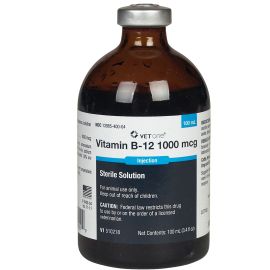
+Vitamin B Complex Used to stimulate appetite and in cases of polioencephalomalacia (Thiamin deficiency).
Probotics Used orally to stimulate rumen bacteria growth. Supportive Therapy.
*+Estradial Hormone, used to enhance cervical dilation. Administer IM. Dose = 1 ½ cc,
Koppertox, Dr. Naylors Hoof and Heal, etc. Topical for treatment of footrot.
Catron IV screwworm spray Topical for treatment of cuts in the summer.
Expar (synergized delice pour-on) pour-on for lice, keds, mites. ½ oz./100#.
**Always consider withdrawal time.**
1) Pneumonia Clinical Signs: Fever, Off-Feed, Nasal Discharge, Fast Respriation. Therapy - Nuflor, Micotil, Naxcel
2) Scours Clinical Signs : Wet rear of lamb, Thin abdomen, Cold muzzle, Skin tent. Therapy - First three days of life (E. coli) Nuflor orally or spectinomycin orally + rehydration fliuds and supportive care. Lambs 10 days and older lambs consider coccidiosis, crpyptosporidia, salmonella.
3) Mastitis Clinical signs: Abnormal milk, Ewe wont let the lamb suck. Therapy - Milk out ewe completely, use a cattle antibiotic mastitis tube, Penicillin systemically, if fever use banamine.
4) Uterine Infection Clinical Signs: Ewe off feed, odiferous, Fever. Therapy - if ewe is off feed give penicillin, if assisting birth give tetracycline intrauterine.
5) Naval Infection Clinical Signs: Swelling at the Navel or swelling in joints. Therapy Nuflor or Penicillin.
6) Conjunctivitis (pinkeye) in ewes Clinical Signs: Watery eyes. Therapy tetracycline topically and systemically.
7) Club Lamb Fungus Clinical Signs: Wool loss, raised rough skin. Therapy Rinse with Biosentry S-3 sow shampoo or nolvasan rinses, iodine topically but it will stain the wool.
8) Soremouth (Contagious Ecthyma) Clinical Signs: Crusted lesions on lips, dock. Therapy Let disease take its course.
9) Footrot Clinical Signs: Lameness. Therapy Trim hoof, treat topically with Koppertox, or other hoof treatment. Foot baths.
J. L. Goelz, D.V.M.
International SheepLetter, March 1998