Introduction to Parasitology


    Parasitism is the most expensive disease in the sheep industry if one considers the cost of deworming and the decreased performance that is caused by parasites. Due to variation in climatic conditions, location, and sheep density, no single recommendation can be made that will be effective in flocks across the country. However, there are a few things to keep in mind when developing an internal parasite control program.
    Internal parasites can be considered in three broad groups: roundworms, tapeworms and flukes. Roundworms attach to the intestinal surface and suck blood or serum from the animal. The most serious of these parasites is Haemonchus contortus. These worms will drain enough blood that the sheep will become anemic, very unthrifty and may die from blood loss. Other parasites in this group are Ostertagia, Nematodirus and lungworms. Haemonchus is the most efficient at developing resistance to dewormers. Generally if the deworming program can control Haemochus the other roundworm will be controlled as well. Young growing lambs are particularly susceptible to roundworms and should be dewormed when they are 3 to 4 months old.
    Tapeworms do not do as much damage to sheep as roundworms. The greatest concern is that if large numbers of worms are present they can physically block the intestinal tract and cause death.
    Flukes invade and migrate through the liver. Sheep are very sensitive to flukes and even one fluke can cause enough damage to kill a sheep. The life cycle of flukes requires a snail intermediate host. Therefore fluke problems are found in areas of standing water. One species of fluke, Fasciola magna can also infect deer and is a serious problem in northern Minnesota and Wisconsin.
    In developing a deworming program always keep in mind the two populations of parasites: one population of adult wormers in the animal and one population of immature larvae on the pasture. If you deworm sheep and turn them out in an infected pasture they will be reinfected with worms in 30 days. Plan your deworming to coincide with pasture rotation. Nearly all infective larvae are killed by freezing temperature so late fall is an excellent time to deworm your ewes as you can keep them clean all winter.
    During the grazing period pasture rotation combined with deworming will give you the most comprehensive parasite control program possible. A pasture should be empty as long as possible before sheep are reintroduced. Usually this results in rotation every 4-6 weeks. During this 4-6 weeks most of the infective larvae (immature forms of parasitic worms) will die and the pasture will be relatively clean when you turn dewormed sheep back in.
    The best time for fall deworming is after the first killing frost. Deworming at this time will allow parasite free ewes until lambing. If a white wormer, such as Valbazen or Panacur is used in the summer, then Levasol (Tramisol) or lvomec are excellent choices for fall deworming. Remember to refrain from using Valbazen on early pregnant ewes as it has been shown to cause fetal defects in the first trimester of pregnancy.
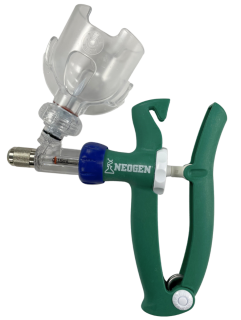
Anthelmintics (Dewormers)
Drench Dosage/100# Cost/150# Rdwm Tapes Flakes
Valbazen 3ml .32 X X X
Ivomec 12ml .92 X    
Levasole/Tramisol 1oz. .75 X    
Panacur 2.5cc .45 X X  
Synantic 2.5cc .52 X X  
Injectable
*Ivomec 1ml .99 X    
*Levasole 2ml .36 X    
*Dectomax 1ml 1.13 X    
* Extra-label drug use, not approved by the FDA


    Levasole and Tramisol contain the same drug and concentration of drug, they can be considered as equivalent. Valbazen is effective against flukes at 6ml / 100# orally. Valbazen should not be used in pregnant ewes as the active ingredient, Albenazole, can cause developmental defects in the fetus. Cattle pour on formulations of avermectins have not been shown to be effective in sheep.
    Another management tool is to conduct occasional exams on random fecal samples to determine the level of parasitism in your flock. This can be done by any large animal veterinarian for a small fee. This will give you a rough idea of the amount of parasites in the sheep and indirectly the number of larvae in the pasture. Be sure the fecal samples are fresh when delivered to your veterinarian.
    Internal parasites can be cost-effectively controlled by the use of pasture rotation, freezing temperatures, strategic deworming and periodic fecal analysis by your veterinarian. Parasitic worms that infect sheep are species specific. They only affect ruminants and cannot be passed to humans or other monogastric animals.
    External parasite problems are far more infrequent than internal parasite problems, however they are responsible for sporadic wool loss and itching sheep. Mites, lice and keds are all seen occasionally as flock problems. We occasionally will see heel mites on the feet and legs of sheep. The mites are microscopic so they can not be visualized with the naked eye, but what can be seen is a scaly lesion on the lower leg that appears to irritate the sheep. We have seen the best response with dipping the feet in Taktic solution.
    Lice can be a serious problem in flocks in the winter months. Often the first sign is wool tags on gates, fences, and feeders. Often the shepherd notices sheep that are constantly itching and wool loss. The most cost effective method of controlling lice is to pour the sheep with Delice R pour on twice 14 days apart.
    Sheep keds, Melophagus ovinus, are often referred to as sheep tics. Actually this is incorrect as they are not ticks but are rather a wingless fly. These are easily seen with the naked eye but are often not noticed until shearing. Small or even moderate ked infestations are generally not noticeable as they only cause mild irritation to the skin. Because they are easily seen heavy infestation can be avoided by treating the entire flock when they are found. Again Delice R pour on is the most cost effective product on the market.
    While external parasite are far less common than internal parasites as a cause of sickness or death in sheep on an individual flock basis they can have an impact. Shepherds should be on the lookout for clinical signs of external parasitism, especially in winter when they are most evident and when we can prevent the infestation in the next lamb crop.

J. L. Goelz, D.V.M.
International SheepLetter
Vol. 20, No. 7, December 2000

Back