Diseases of the Respiratory System
Sheep pneumonia is especially common in newborn lambs and in
feedlot lambs, it can also occur in the mature ewe flock with milder clinical signs.
Pneumonia is caused by a complex interaction between the environment which produces
stress, microorganisms, and the sheep's immune response. Pneumonia occurs in all ages of
sheep, in all breeds, in every country of the world. As the management practices become
more intensive the level and risk of pneumonia become much greater. Close contact allows
for rapid spread of infectious organisms from one lamb to the next. Intensive management
also leads to a buildup of pathogens in the environment. Manure in sheds also leads to the
production of ammonia which irritates and damages the respiratory mucosa and reduces the
sheep's ability to fight the infection. In shed or semi-confinement lambing operations the
pneumonia will peak towards the end of the lambing season in many operations.
In acute outbreaks of pneumonia, Pasteurella haemolytica is
the organism most frequently isolated from the affected lung tissue, but only rarely is
it the primary organism. P. haemolytica is a common inhabitant of upper respiratory and
tonsils of normal healthy sheep. Very young lambs less than 48 hours old with acute
pneumonia and septicemia are often due to biotype A pasteurelia pneumonia. Death losses
from newborn pneumonia can be as high as 50% in some flocks. Death is only a part of the
actual losses: treatment expense, poor chronic doing lambs, reduced feed efficiency,
reduced average daily gains also result from newborn pneumonia infections. Farms that
have yearly pneumonia problems in their newborn lambs need to address the lambs environment
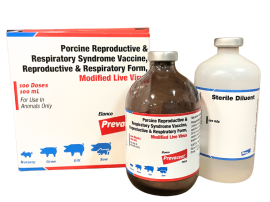
and the stresses on the lamb at birth. We have had very limited success using any of the
vaccination products available. The use of TSV 2 (also called Nasalgen) has been proven to
booster the immunity levels in lambs for viral pneumonia, however it by itself will not stop
or prevent an outbreak of pneumonia if environmental factors are poor. The use of a long
acting (48 hour) antibiotic given on days 1 and 3 have helped stop lamb death losses on
some farms. On farms with a history of severe newborn lamb pneumonia and high losses it
can be advantageous to treat the entire ewe flock with water soluble antibiotics several
times prior to the lambing season to reduce the shedding from the ewes to the newborn lambs.
"Barn cough" is a term used to describe a non-productive hacking
cough in growing and finishing lambs. We do not know which organism causes the cough but we
do know that certain antibiotics can relieve the clinical cough for 2 to 3 weeks. Barns
cough does not cause large death losses or acute deaths, however, the incidence of rectal
prolapses increases in direct proportion to the irritating cough. Factors such as crowding,
dust, damp humid weather, or stress all can increase the amount of barn cough. Treating
the entire group of lambs with antibiotics will reduce the cough, but the producer must be
very careful of drug withdrawal times in lambs that are going to be slaughtered. In many
cases we have to treat every 2 weeks to control the coughing. Once a lamb tears the
supporting muscles and connective tissue around the rectum it will eventually prolapse
and require treatment. Lambs that are coughing will develop immunity and eventually become
resistant and not cough anymore. Frequently we hear producers referring to this as “the
lambs outgrow the cough”. In Minnesota when the fall weather begins and temperatures
become colder the incidence of “barn cough” is greatly reduced. The cough is most likely
caused by a combination of organisms such as viruses and bacteria working together to
weaken the lambs' respiratory system. In our experience we have had good response to
treatment with Albon (sulfadimethoxine) in the water for 3 days every two weeks. Tylan,
injectable and feed grade, has also worked in some flocks. Other antibiotics that have
been used with some success are tetracyclines and Naxcel.
When treating sheep for pneumonia we have very few approved
drugs from which to choose and these are approved at sub-therapeutic levels. You will
need to work with your veterinarian to determine which drug will work most effectively
and then be careful to follow the proper drug withdrawal times. Most times we need to
concentrate on the environment and reduce the exposure. The answer for sheep pneumonia
does not come from vaccine or the syringe and bottle. We also know that some breeds have
varying degrees of innate ability to reduce the severity of clinical signs.
J. D. Bobb, D.V.M.
International SheepLetter
Vol. 19 No. 3, April 1999
Back