Pre-lambing Ewe Management
Time and effort spent on the ewe flock pre-lambing can result
in relieving stress during lambing and improve health of the baby lamb. A few management
checks or changes at this time can save dollars and time down the road.
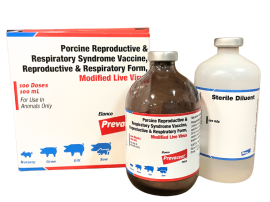
Pre-lambing vaccination - ewes should be vaccinated 3 weeks
prior to lambing with Clostridia perfringes C & D with tetnus. This will stimulate the
ewe's immune system to produce antibodies that will concentrate in her colostrum. The
lambs will then have high levels of antibodies that will help prevent type C and tetnus.
This is the best and most cost-effective way to protect young lambs against these two
diseases.
Nutrition - ewes should be on an increasing plane of nutrition.
Requirements for ewes in late gestation greatly increase as they approach lambing.
Ewes carrying twins or triplets require even more feed. Any thin ewes should be sorted
into a smaller group to allow them to 1) eat a more concentrated ration and 2) have less
competition for bunk space. If the ewes have been maintained on cornstalks as their
primary feedstuff it is critical that you begin feeding vitamins if you haven't already.
Crop residue has very low levels of vitamins and gestating ewes can become deficient.
If the ewes are on a hay diet the vitamin level may be sufficient although you will still
benefit from feeding a mineral high in Selenium and Vitamin E. These are important to
ensure that the lambs are not born deficient in Selenium or Vitamin E which will
predispose them to White Muscle Disease. Gestating ewe lambs are still growing and less
competitive at the bunk so they need to be in a separate pen than the mature ewe flock.
If conditions allow, ewes should be shorn one month before
lambing. This will allow the ewes to begin mobilizing energy from fat reserves. Also,
lambs have a much easier time finding the udder of shorn ewes. Shorn ewes take up less
space in the lambing barn and give off more heat into the environment. Care must be
taken the first week after shearing. It is important that the ewes have dry shelter that
will protect them from rain and snow. If the temperature is below zero shorn ewes will
require additional energy which can most cost-effectively be supplied by increasing the
grain fed to the ewes. Small amounts of exercise is beneficial to the pregnant ewe such
as feeding in an outside lot or allowing the ewes access to a small pasture during the day.
Often this gives the shepherd an opportunity to see slow, limping, ketotic or problem ewes.
These are all candidates to move to a smaller group such as with the ewe lambs.
All feed fed to gestating ewes should be fed in bunks or feeders. Feeding gestating ewes on the group greatly enhances the transmission of abortion disease. Additionally, feeding 250 mg. per head per day of tetracycline will help control Chlamydia abortions. Any aborted fetuses and placenta need to be immediately removed from the pen to prevent transmission. The shepherd should always wear disposable latex gloves when handling aborted fetuses as many of the common causes of abortions can infect humans. Pregnant women should stay out of the lambing barn.
International SheepLetter
Vol. 19 No. 7, January 2000
Back