One of the most frustrating events following a successful lambing is when the ewe refuses to eat normally. When the ewe does not eat normally, she will not produce adequate amounts of milk and lamb starvation is the end result. Some of the reasons that ewes will not eat are due to infections such as uterine infection or mastitis. Ewes can also have metabolic problems such as ketosis, acidosis or alkalosis. Other causes can be due to management changes such as feed sources or rations that are not familiar or palatable to the ewe.
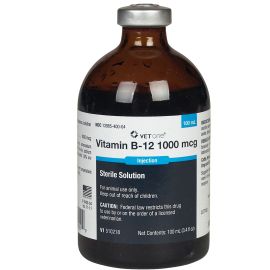
Infections following lambing are quite common and this is the first thing to check. If the ewe has a bacterial infection it will cause a fever or septicemia and reduce her appetite. The two most common bacterial infections are metritis (uterine infection) and mastitis (mammary infection); other infections would include pneumonia or feet problems. Treatment consists of antibiotics, B vitamins and prednisone.
Uterine infections respond best to tetracycline boluses placed into the uterus. If you're unable to get boluses into the uterus then inject the ewe subcutaneously with long lasting tetracycline. Many of the mastitis problems are sensitive to penicillin or ampicillin. We used to recommend using dexamethasone on these ewes to help stimulate appetite, but now the use of Predef 2X (prednisone) seems to be just as effective and does not suppress the immune system as much as the dexamethasone. Another product that is very effective in reducing fever and inflammation is Banamine; it needs to be given 2 to 3 times daily.
Ewes that are suffering from metabolic problems are much harder to diagnose. Treatment needs to be done frequently and often times requires drenching the ewe orally with either a stomach tube or drenching gun. Ewes that have ketosis are actually meeting their metabolic needs by using stored body fat to meet their daily requirements. Ketotic ewes will develop fatty livers and can be difficult to correct if the condition continues for more than several days. Usually ketosis develops secondary to either a fever or some other factors that cause the ewe not to eat. Feeding too much grain causes acidosis. This is common and will cause the ewe to back off feed. Acidic ewes still eat some hay or straw but refuse to eat grain. The ewe will be tender on her feet, have loose stools and be lethargic. Treatment with oral bicarbonates and mineral oil will help reduce the acid in the rumen.
The third cause of ewes refusing to eat is related to feed changes from late gestation to the lambing jugs. Sheep may be refusing the feed if being offered pellets or ground feed that they have never been exposed to previously. It is not necessary to feed grain the first 24 hours after lambing. Offer the ewe some good quality hay and lots of fresh water, then start to offer a small amount of grain the next feeding. It is a good idea to keep them on a familiar grain ration, rather than changing rations at lambing time.
If a ewe is not eating properly, be sure to supplement the lamb or check it frequently to prevent starvation.
J. D. Bobb, DVM
International SheepLetter
Vol. 20 No. 3, April 2000