Enterotoxemia


    Type D overeating is a common cause of death in lambs over 30 days of age on creep feed or high-energy grower rations. In spite of good vaccination programs, as many as 0.5 to 1.5 percent of lambs may die from enterotoxemia. Producers who do not vaccinate and feed rations high in grain may experience death loss around 8 to 10 percent and as high as 40 percent have been reported.
    The most common scenario is a producer with sudden death in their best doing lambs. Death often occurs after a very short course of time, usually 30 to 90 minutes. If the lamb is seen prior to death, clinical signs include convulsions, head drawn over the back, salivation, jerking movements or coma.
    The disease is caused by bacteria (Clostidium perfringens) which live in the environment and the intestines of normal animals. Normally the bacteria die in the stomach acid, however, in fast growing lambs which are eating large amounts, some grain and bacteria spill over into the intestine. The spilled over grain produces an ideal environment for the bacteria and it is absorbed into the blood causing toxic shock.
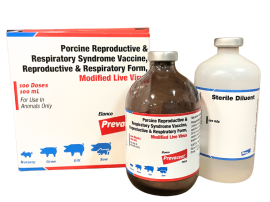
    Treatment is generally not practical as death occurs rapidly. Emphasis should be place on prevention through a good vaccination program using two doses of type D toxoid vaccine 2 to 3 weeks apart prior to the lambs being on full feed. Frequently a combination of types C & D are used when vaccinating lambs. Type C occurs primarily in newborn lambs and prevention is by vaccinating the ewe flock, which in turn provides protection via the colostrum to the newborn lambs. Type C can occur in older lambs but is uncommon. We recommend vaccinating lambs at 5 and 7 weeks with an optional booster vaccination at 9 or 10 weeks if you are pushing the lambs on high concentrates with little or no roughage.
    Diagnosis is often based on the history of sudden death in a healthy lamb on a high quality ration. Death often occurs if sudden changes are made in the feed, or when feedlot lambs are placed on high grain ration. Important lesions at necropsy are fluid in the sac around the heart, congestion in the lungs, or hemorrhages on the intestine or thymus. Blood and urine level of sugar rise above normal.
    Other names for the disease are "pulpy kidney disease" or "dirt eating disease".

J. D. Bobb, D.V.M.
International SheepLetter
Vol. 15, No. 6; June 1995

Back