Research Objectives
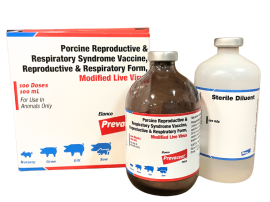
The objectives of this study were to determine the safety and the effect of doramectin (Dectomax) on internal lamb parasites in pastured sheep.
Results and Discussion
It was found in this study that lambs treated with doramectin
had lower parasite levels and a higher rate of gain. The control lambs that were not
dewormed had higher parasite levels and a lower rate of gain.
NEMA TODIRUS: The control group has a higher level of infection,
although both groups have a continual increase in infection throughout the study. The end
of the study resulted in the control group having an extremely high infection level with
the doramectin treated group's final infection level being smaller than the control's
initial level of infection. The doramectin was effective for three weeks after injection
and then parasite load gradually increased in number. The same results were found in North
Carolina and Idaho with cattle and in France with swine.
STRONGYLOIDES: The control group has a higher level of infection
than the doramectin-treated group. It has a four week cycle. The level of infection
increased for four weeks, then dropped. This cycle was represented four times in this
study. The doramectin-treated group had low levels of infection throughout the study with
a slight increase towards the end. This demonstrates that the doramectin was effective at
controlling the Strongyloides infection level for longer periods of time than other
anthelmintics. Doramectin was found to have the same effect in horses at Louisiana
State University by Dennis French.
TRICHOSTRONGYLE. The control group had very high levels of
infection throughout the study, whereas the doramectin-treated group had low levels of
infection for four weeks post treatment. There was a slight increase in infection levels
with a greater increase in weeks six, seven and eight. This demonstrates that doramectin
was effective. The study by Larry Ritzhaupt found that doramectin was absorbed quickly
and had a slower body clearance which was represented here as well.
TRICHURIS: The control group had a continuous increase in the
level of infection. The doramectin-treated group did not have any infection until the
sixth week after treatment. The control group had moderate levels of Trichuris infection
until mid-September, when numbers significantly increased the last two weeks of September.
Doramectin was shown here to have a longer protection period. This was also found in
another study done in Florida, Idaho and Minnesota by Rew.
TOTAL PARASITES: Doramectin was effective in reducing levels
of infection for five weeks post treatment and then gradually increased in numbers.
However, the doramectin treated group did not approach the level of infection of the control
group at any point in the study. Research done in India by Sisodia found the same results.
SUMMARY: This study provides evidence that doramectin, when
used as an anthelmintic in sheep, is safe and effective. It decreases the infection
level of Eimeria, Nematodirus, Strongyloides, Trichostrongyle Type, and Trichuris. In
addition, the mean average daily gain was higher for those sheep injected with doramectin.
Experimental animal numbers, the ages at which the sheep were injected, the pasture location,
and weather conditions are all factors that could have influenced the conclusions reached
in this study. Further investigation needs to be done before being approved by the FDA
for use in sheep.
Reprinted with Permission of Authors
1998 University of Minnesota
Sheep Research Report
International SheepLetter
Vol. 20 No. 3, April 2000